
The allure of risk-taking
The inherent thrill of risk-taking is a primary factor driving individuals to casinos. Engaging in gambling allows people to step outside their everyday lives and embrace uncertainty, which can be exhilarating. The adrenaline rush that accompanies the possibility of hitting a jackpot or winning big is often enough to keep players returning to an instant withdrawal casino that offers enticing rewards. This excitement not only provides a break from monotony but also fosters a sense of adventure that many find irresistible. The high-stakes environment of casinos amplifies this thrill, where every spin of a slot machine or roll of the dice comes with the potential for a life-changing outcome.
Furthermore, the psychological concept of risk-taking is closely linked to reward anticipation. When individuals contemplate taking a risk, their brains release dopamine, a neurotransmitter associated with pleasure and reward. This mechanism can create a cycle where the act of gambling not only offers potential financial gains but also reinforces the desire to engage in such activities. As players win, the anticipation of future rewards fuels their gambling behaviors, making it a captivating experience. The potential for a significant win can overshadow the rational understanding of the odds, leading to a thrilling yet risky pursuit.
Moreover, the atmosphere within casinos is specifically designed to enhance this sense of risk. From the vibrant lights to the stimulating sounds of slot machines, every element is tailored to create an environment that heightens excitement. This sensory overload can lead to increased engagement, making players more willing to take risks. The social aspect of gambling with friends or even strangers can also amplify this thrill, as shared experiences of winning or losing create a unique bond among players. The combination of personal and social risk-taking fosters a community of thrill-seekers, further enhancing the casino experience.
The role of cognitive biases
Cognitive biases play a crucial role in gambling behavior, often leading individuals to make irrational decisions. One common bias is the illusion of control, where players believe they can influence the outcome of random events. This belief is particularly potent in games like poker, where skill and strategy are involved, but it can also affect players’ perceptions in purely chance-based games. This cognitive distortion can propel individuals to gamble more, as they feel empowered by their ability to affect outcomes, even when the results are purely random. The more a player believes they can control the game, the more likely they are to engage in risky behavior.
Another bias is the gambler’s fallacy, which is the incorrect assumption that past events can influence future outcomes. For instance, a player might believe that if a particular slot machine hasn’t paid out recently, it is « due » for a win. This misconception often leads to prolonged and increased gambling, as players seek to exploit imagined patterns. Understanding these cognitive biases is essential, as it sheds light on why rational thinking often takes a back seat in the gambling context, leading to potentially harmful behaviors. Recognizing these biases can empower players to take a step back and reassess their gambling strategies.
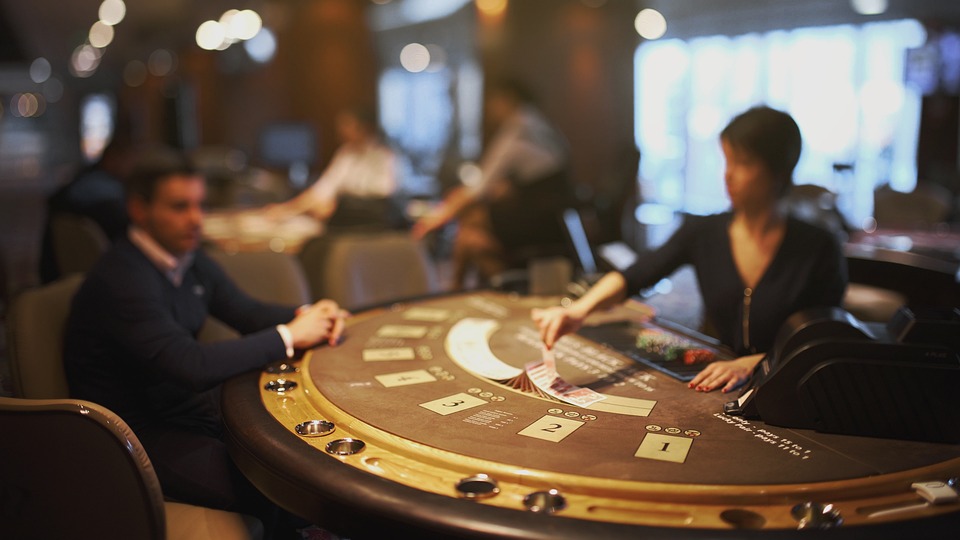
Additionally, casinos exploit these cognitive biases through marketing tactics and game design. For instance, the use of near-miss outcomes, where players come close to winning, can create a sense of encouragement, prompting them to continue playing. This design choice capitalizes on the human tendency to overvalue near-wins and can contribute to compulsive gambling. By recognizing how these cognitive biases influence gambling behavior, individuals can develop strategies to mitigate their effects and make more informed decisions while gambling. Awareness of these psychological traps can help players maintain a healthier relationship with gambling.
The social dynamics of gambling
Gambling is often a social activity, and the communal atmosphere of casinos plays a significant part in attracting players. Casinos are designed to facilitate interaction, with games like poker, craps, and roulette fostering camaraderie among players. This sense of community can enhance the overall experience of gambling, as individuals share their excitement and disappointment with others. Social interactions not only make the experience more enjoyable but also create an environment where players feel a sense of belonging. This shared experience can amplify the thrill of the game, as players cheer for each other’s wins and commiserate over losses.
Moreover, group dynamics can amplify the psychological effects of gambling. The presence of others can lead to heightened emotions, influencing decision-making and risk-taking behavior. When individuals see their peers winning, they may be encouraged to take greater risks, believing they, too, can experience similar successes. Conversely, witnessing others lose can prompt players to persist in hopes of breaking even, demonstrating how social environments can sway individual gambling choices. The interplay of excitement and disappointment within a social setting can lead to increased engagement and potentially higher stakes.
Additionally, casinos often organize events and promotions that leverage social dynamics, such as tournaments and group bets. These activities draw in crowds and encourage participation, making gambling feel like a shared experience rather than a solitary one. As players rally together for a common goal, the emotional highs and lows become communal, reinforcing the appeal of gambling as a social endeavor. Ultimately, the interaction between social dynamics and gambling further deepens the psychological draw of casinos, as the atmosphere is charged with collective anticipation and excitement.
The impact of emotions on gambling behavior
Emotions play a pivotal role in the gambling experience, often dictating how individuals approach and engage with games. The excitement and joy associated with wins can create a positive feedback loop, reinforcing gambling behavior. This emotional elevation can lead to an increase in betting amounts and frequency, as players chase the elation of winning. Conversely, losses can elicit frustration or despair, pushing some individuals to gamble more in an attempt to reclaim what they’ve lost, showcasing the complex relationship between emotions and gambling. The emotional rollercoaster of winning and losing can create a powerful compulsion to continue playing.

Furthermore, individuals often gamble to escape negative emotions or stressors in their lives. The casino environment provides a temporary haven from reality, allowing players to immerse themselves in the thrill of the game. This escapism can become problematic, as individuals may turn to gambling as a coping mechanism for underlying issues, leading to compulsive behaviors over time. Recognizing this relationship between emotional states and gambling is crucial for understanding why some players may develop problematic gambling habits. It highlights the importance of addressing emotional health in the context of gambling behaviors.
Finally, the correlation between emotions and gambling highlights the importance of maintaining a balanced approach to gaming. Developing emotional awareness and strategies for managing feelings is essential in overcoming the potential pitfalls of gambling. Players can benefit from setting limits and establishing a mindful approach to gambling, focusing on enjoyment rather than purely on financial outcomes. Such strategies can help mitigate the impact of emotions on decision-making, fostering a healthier relationship with gambling. Mindfulness techniques and emotional regulation can empower players to make more informed choices, enhancing their overall gaming experience.
Understanding our choices: Responsible gambling
As the psychology of gambling reveals intricate motivations and behaviors, it becomes essential to promote responsible gambling practices. Understanding the psychological triggers that lead to gambling can empower individuals to make informed choices. Setting limits on time and money spent in casinos is one vital strategy to ensure that gambling remains a form of entertainment rather than a source of distress. By recognizing the potential for cognitive biases and emotional influences, players can develop a more rational approach to gambling. This proactive stance can prevent the escalation of gambling behaviors into addiction.
Moreover, the importance of education around responsible gambling cannot be overstated. Providing resources and support for individuals who might struggle with gambling addiction is crucial for fostering a healthy gaming culture. Many casinos today are implementing programs and initiatives aimed at raising awareness about responsible gambling. These efforts not only emphasize the importance of self-awareness but also encourage players to seek help if they feel their gambling is becoming problematic. By fostering a culture of understanding and support, the gambling community can help mitigate risks associated with excessive gambling.
On a broader scale, platforms focusing on responsible gambling aim to create an inclusive and supportive environment for all players. Websites dedicated to this cause provide information about understanding gambling behaviors and offer tools to help players track their activity. By fostering a culture of responsibility, the gambling industry can mitigate the adverse effects associated with excessive gambling, ensuring a positive experience for all participants. Ultimately, prioritizing responsible gambling practices can lead to a more sustainable and enjoyable gaming environment for everyone involved.
